Description
Behind the piece
A pattern, revealed
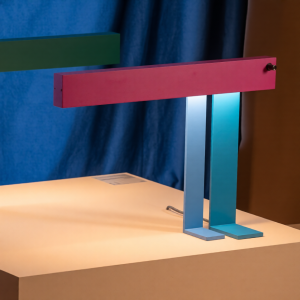
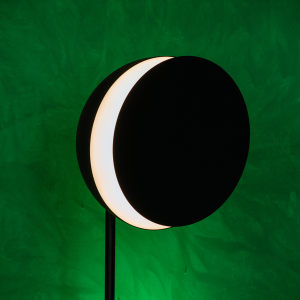
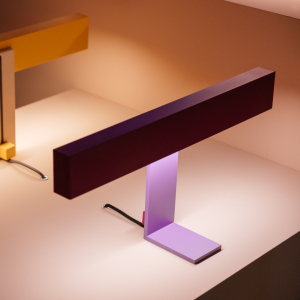
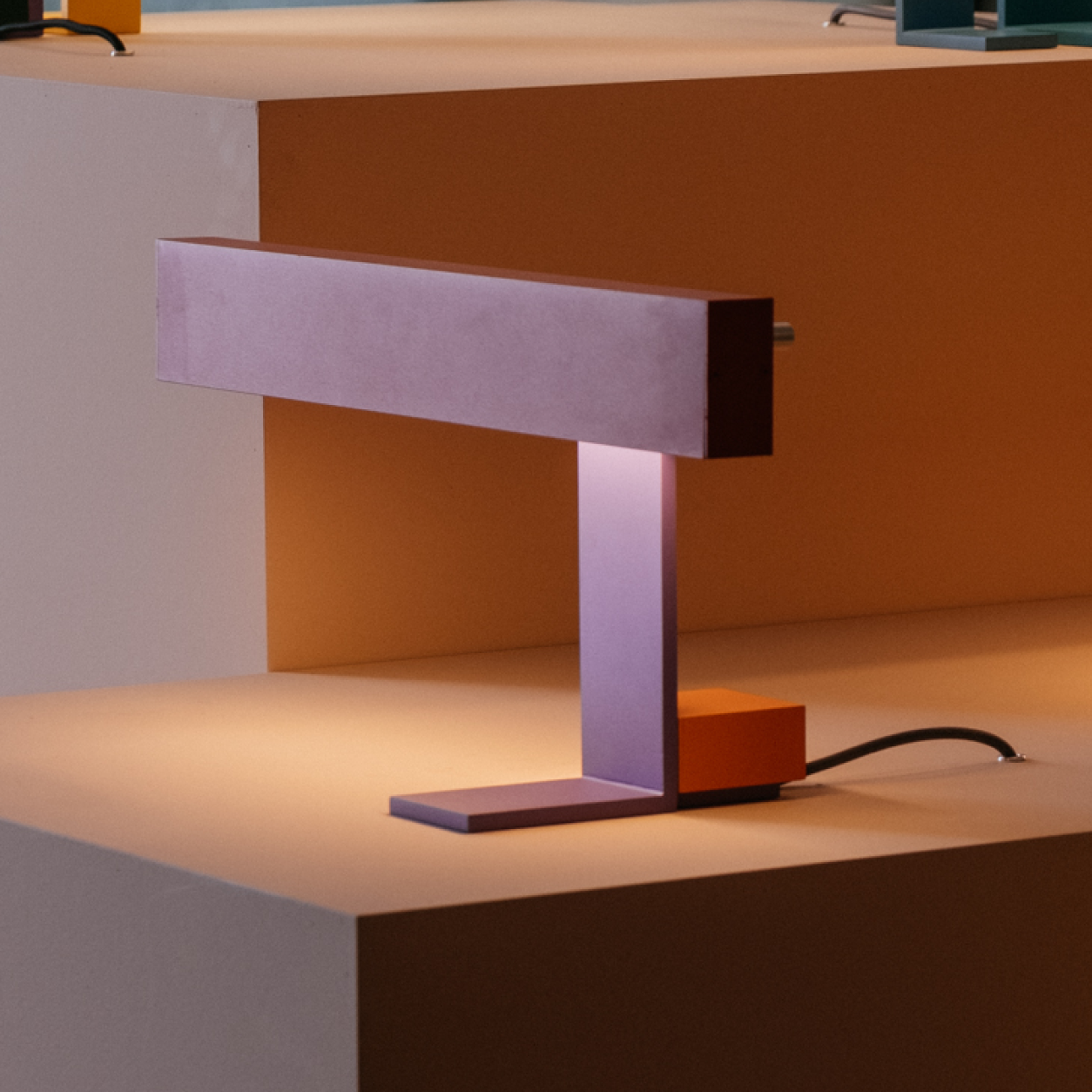
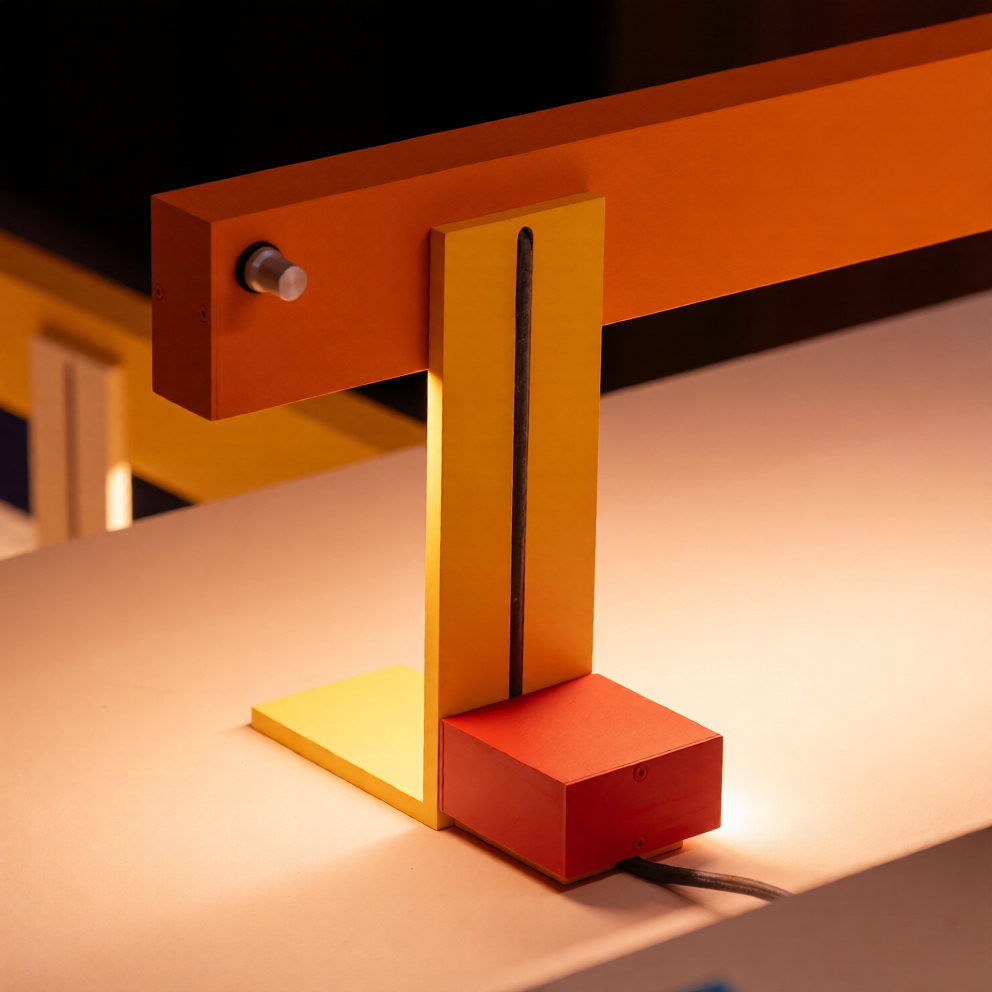
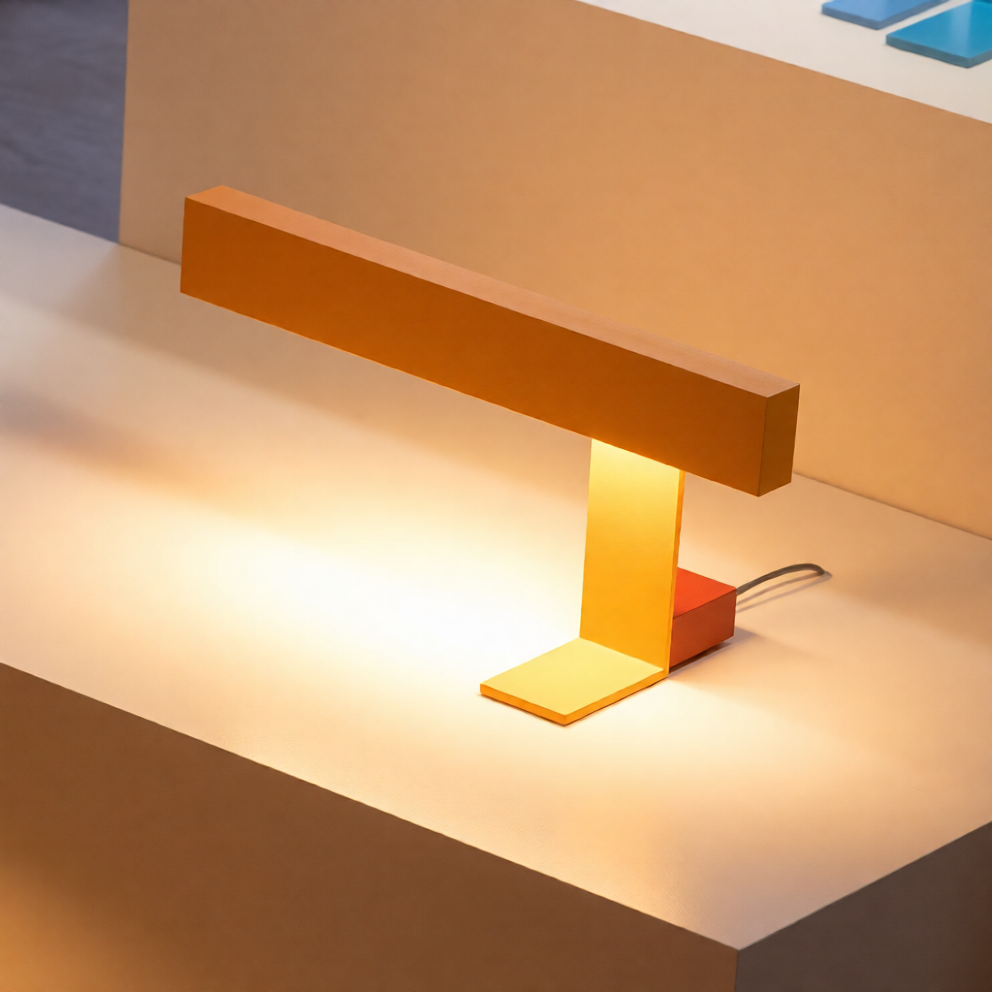
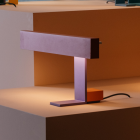
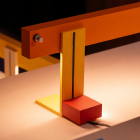
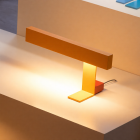
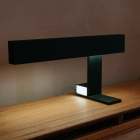
TOBU asserts itself through the formal clarity of the articulation between three pieces: two illuminate, one supports.
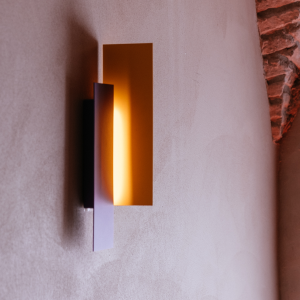
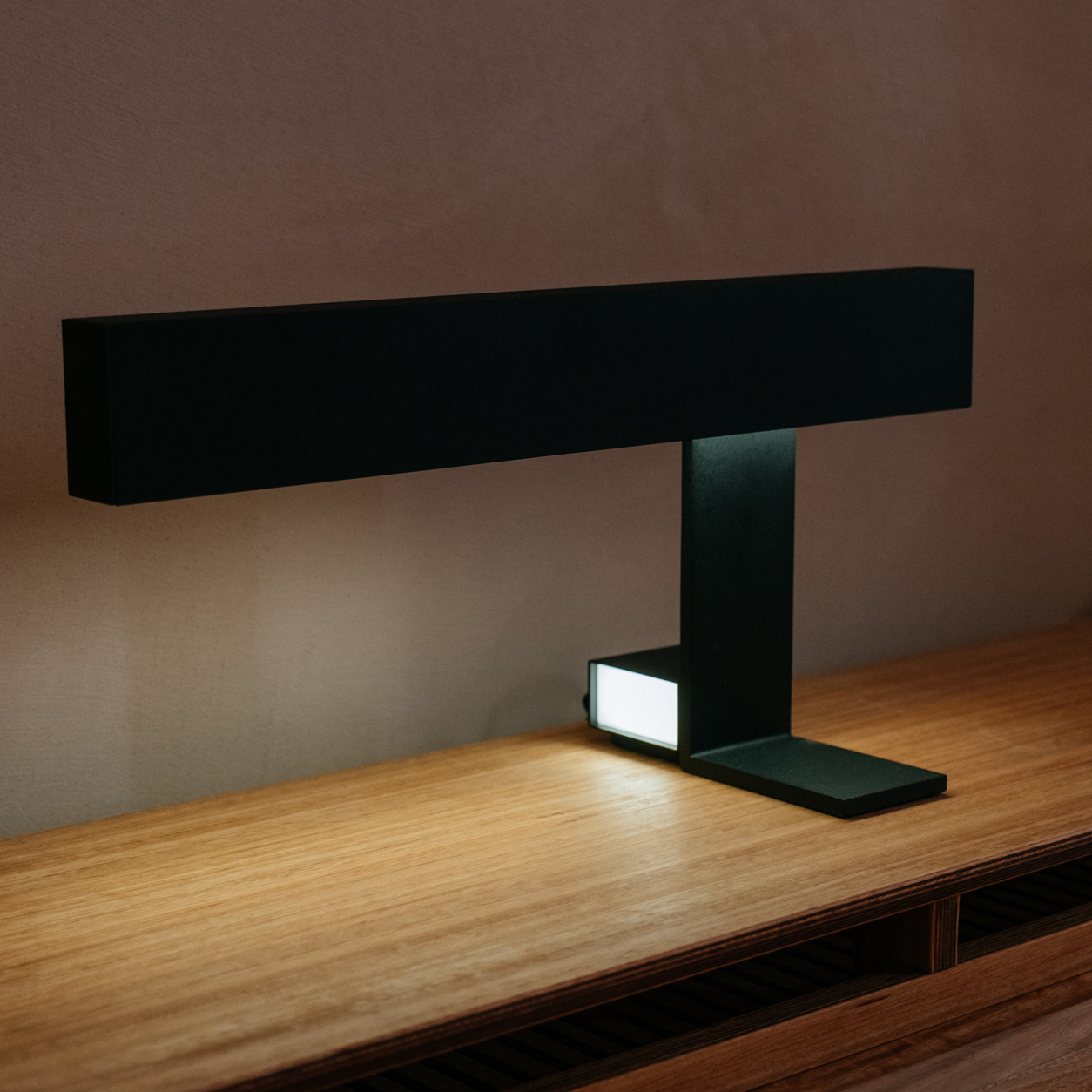
Two distinct types of light – one downward, one grazing – introduce a singular quality to the illumination of a surface, an open book page or an atmosphere.
The supporting piece, positioned off-centre, balances the whole through a deliberate asymmetry, bringing solidity and lightness into equal measure.
Each element can acquire its own expression through different finishes, without ever losing the reading of the whole.
The form emerges from an almost architectural logic, where the balance between volumes, planes and colour constructs an object that is simultaneously rigorous and playful.
Its presence can be discreet, in more restrained tones, or assert itself as a central object, even when not illuminating.
TOBU responds to different scales of use: it accompanies reading, enhances the surface it rests upon and contributes to the atmosphere of the space.
From Gesture to Light
The process
Before the light, there is a gesture. A feeling. A question with no answer yet. A drawing that doesn’t need to know where it’s going. This is where a fOsqa piece is born: in the wish to make something true. What follows is patience. An idea is an idea is an idea. In the hands of a craftsman, the drawing becomes matter, the matter becomes form, and the form learns to hold light. Rigour is not the enemy of wonder here. It is how wonder is kept. And then, the light weaves itself into the place it was always supposed to be. Quietly, as a consequence. It settles into the surface, deepens the shadow, and gives the object its second life, the one that lives in memory. The gesture comes first. Art inspires it. The light follows.