Description
Behind the piece
A pattern, revealed
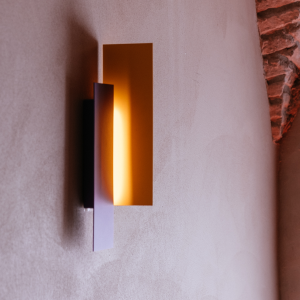
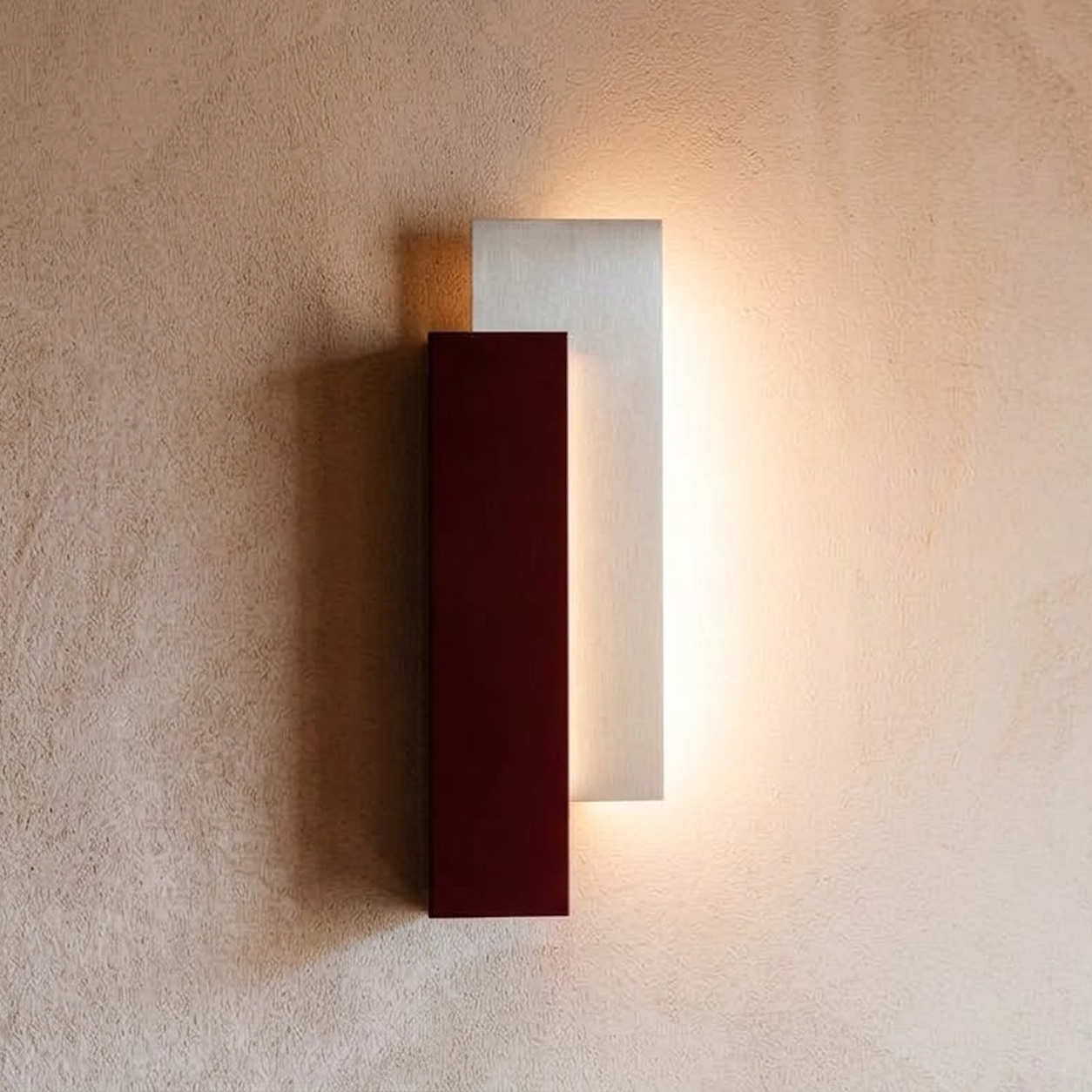
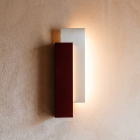
MIES is a homage to the elemental language of the memorable Mies van der Rohe.
To his ability to construct spaces through the asymmetric relationship between surfaces that move apart, orient themselves and dialogue, sometimes without touching.
It is from that tension that his architecture is born. It is from that tension that this object is born.
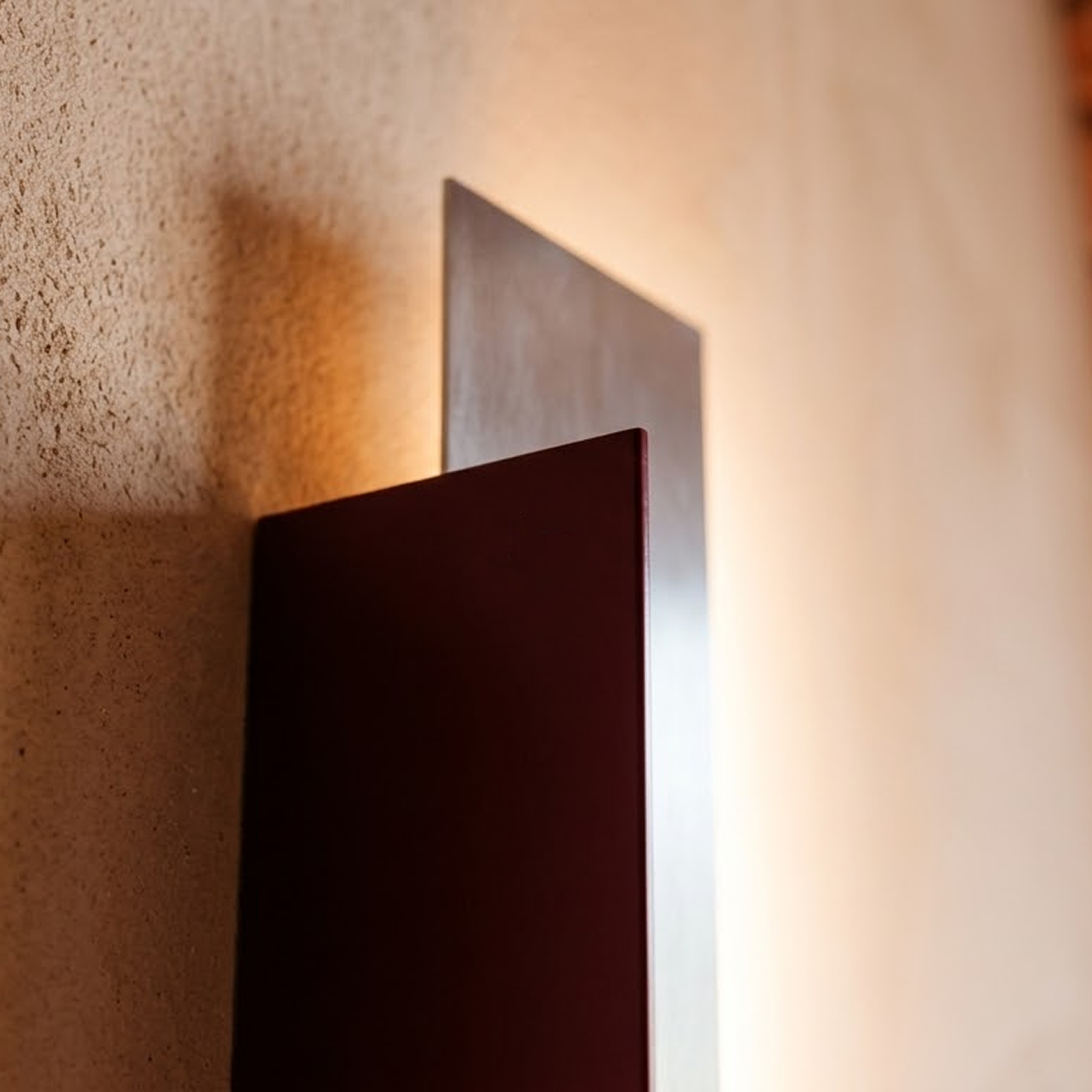
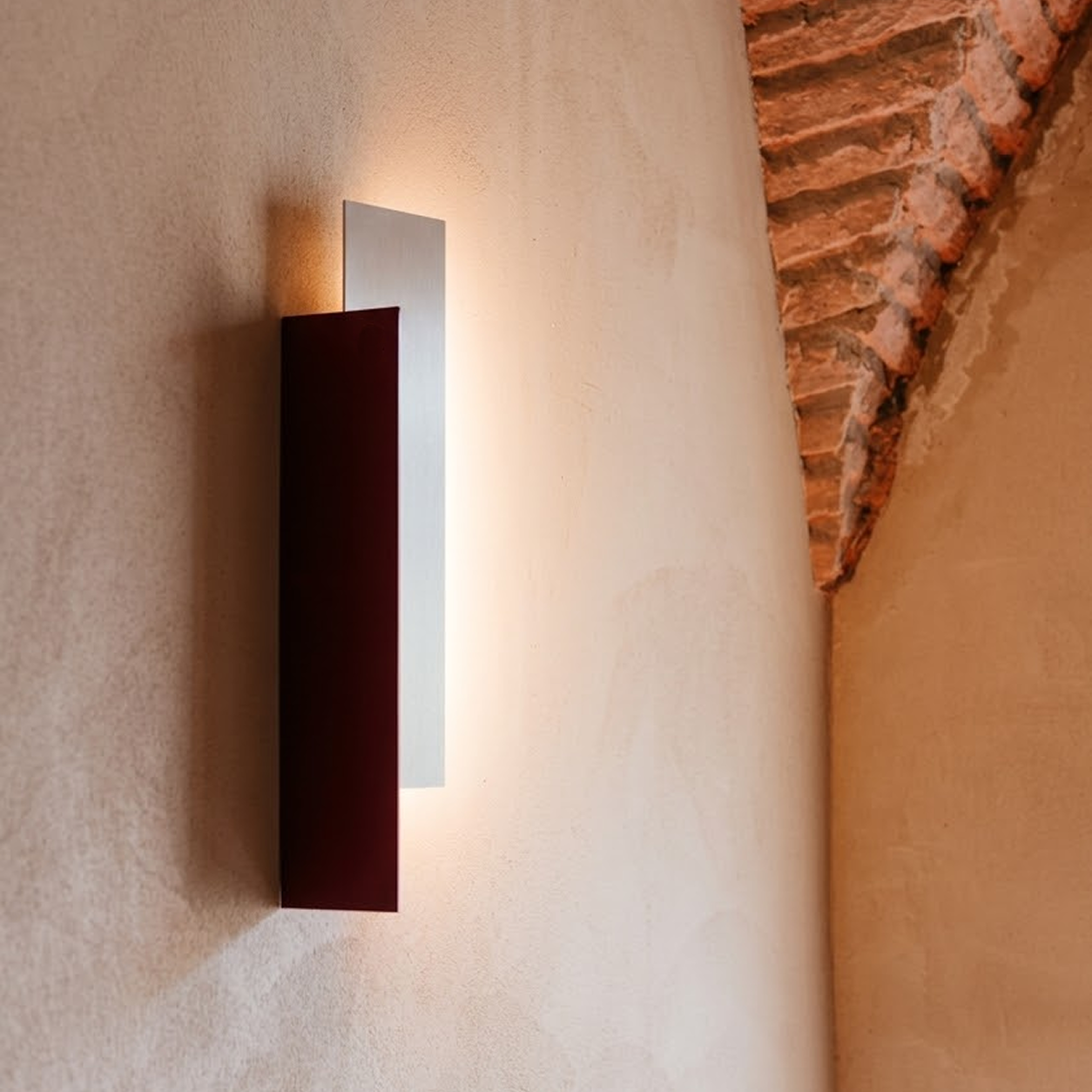
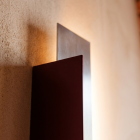
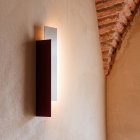
Two displaced planes with different orientations define a luminous field invisible at its origin. Light emerges from the distance between surfaces, as the consequence of a deliberate geometric relationship.
The orientation of the piece can vary – 90º, 180º, 270º, 360º – without the form changing.
It is the same piece, seen from angles that make it different. The effect it produces in the space transforms with each rotation.
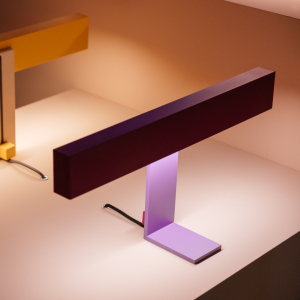
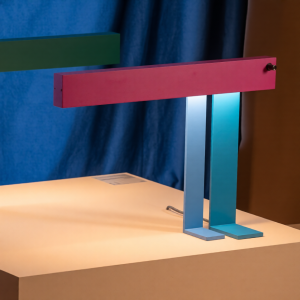
Each plane can be painted differently, or composed of different materials.
Colour ceases to be a single decision and becomes a system of choices, as flexible as the orientation of the piece itself. The client does not choose a piece. They build their own.
MIES asserts itself as an object of architecturally grounded surfaces in dialogue, where light emerges from separation. A piece that changes without transforming.
From Gesture to Light
The process
Before the light, there is a gesture. A feeling. A question with no answer yet. A drawing that doesn’t need to know where it’s going. This is where a fOsqa piece is born: in the wish to make something true. What follows is patience. An idea is an idea is an idea. In the hands of a craftsman, the drawing becomes matter, the matter becomes form, and the form learns to hold light. Rigour is not the enemy of wonder here. It is how wonder is kept. And then, the light weaves itself into the place it was always supposed to be. Quietly, as a consequence. It settles into the surface, deepens the shadow, and gives the object its second life, the one that lives in memory. The gesture comes first. Art inspires it. The light follows.